When Totoro Becomes a Therapist: The Quiet Emotional Power of Ghibli for a Burned-Out Generation
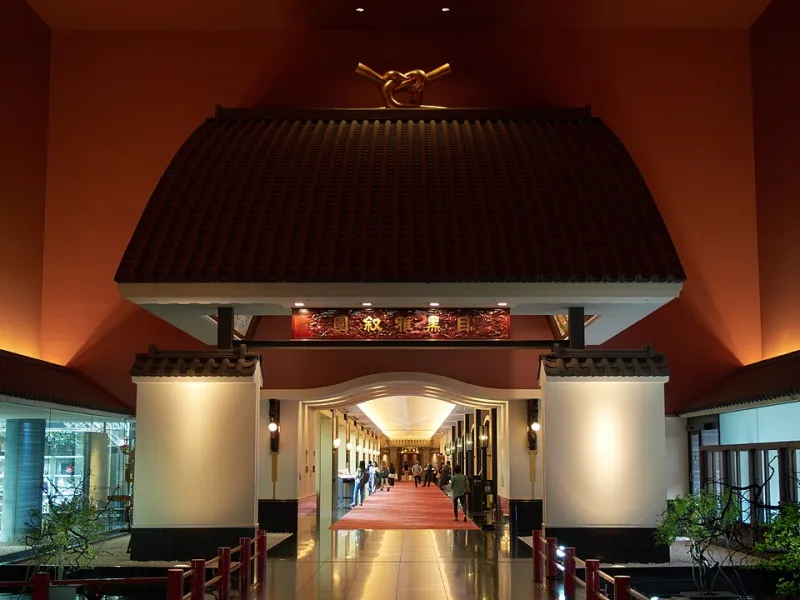
Photo: lumoplank, CC0, via Wikimedia Commons
It usually starts with a rewatch. Maybe someone's having a rough week — the kind where the news is too loud and the future feels genuinely foggy — and they pull up My Neighbor Totoro or Nausicaä of the Valley of the Wind almost by instinct. By the time the credits roll, something has shifted. Not fixed, exactly. Just... loosened.
Across Reddit threads, Letterboxd reviews, and late-night Discord servers, a pattern has emerged: Gen Z is turning to Studio Ghibli films not just for entertainment, but for something closer to emotional processing. It's not a trend anyone planned. It's more like a collective discovery — that these hand-drawn worlds made by a Japanese filmmaker in his 70s somehow speak directly to the interior lives of American twenty-somethings in ways that a lot of content made explicitly for them simply doesn't.
The Ghibli Feeling Has a Name (Sort Of)
There's a Japanese word, natsukashii (懐かしい), that describes a bittersweet nostalgia — a longing for something you may not have actually experienced, but that feels deeply, inexplicably familiar. Ghibli films are essentially natsukashii in visual form. The light through Satsuki and Mei's farmhouse windows, the sound of rain on a bus stop roof, the weight of Chihiro's exhaustion after a long shift at the bathhouse — these details feel remembered even when they're entirely new.
For Gen Z, a generation that grew up in a world of algorithmic content designed to maximize engagement and minimize discomfort, that feeling of unhurried, textured reality is almost startling. Ghibli films don't rush. They breathe. And apparently, a lot of young people are desperately in need of something that breathes.
What the Research (and the Reddit Threads) Suggest
Psychologists who work with younger adults have started noticing Ghibli coming up in unexpected places. The films' themes — environmental grief in Princess Mononoke, identity dissolution and rebuilding in Spirited Away, the exhaustion of inherited responsibility in Howl's Moving Castle — map with uncomfortable accuracy onto the psychological landscape of Gen Z.
Climate anxiety, in particular, is something Miyazaki has been exploring since before most of his current audience was born. Nausicaä, released in 1984, depicts a world choked by environmental collapse where humanity is trying to survive the damage it caused. Princess Mononoke refuses to offer a clean villain — the industrialist isn't purely evil, the forest gods aren't purely good, and the destruction is real and ongoing. For a generation that grew up being told to recycle while corporations produced the vast majority of global emissions, that moral complexity doesn't feel like fiction. It feels like Tuesday.
Several therapists working with young adults have noted that clients sometimes use Ghibli films as a kind of emotional shorthand — referencing scenes or characters when describing their own experiences. "I feel like Chihiro" can communicate a whole internal state: overwhelmed, in a world that doesn't make sense, trying to figure out the rules fast enough to survive. It's a shared language that didn't require anyone to design it.
The Anti-Resolution Resolution
One of the most striking things about Ghibli films, especially from a Western storytelling perspective, is what they don't do. They don't always wrap things up cleanly. Relationships end without full closure. Environmental destruction isn't fully reversed. Characters grow, but the world around them remains complicated.
The Tale of Princess Kaguya — one of Ghibli's most emotionally devastating offerings — ends with a kind of grief that has no redemption arc attached to it. You're just asked to sit with it. American animation, by contrast, tends to move hard toward catharsis, resolution, and the reassurance that everything happened for a reason.
For Gen Z, who came of age during a pandemic, a reckoning with racial injustice, a mental health crisis, and the ambient hum of climate dread, the idea that things can be sad and unresolved and still beautiful — still worth experiencing — is genuinely therapeutic. It validates a reality they already know. The world is not going to tie itself into a bow. You can still find meaning in it.
The Visual Language of Slowness
Beyond narrative, there's something happening on a purely sensory level with Ghibli films that deserves attention. The animation style — lush, hand-drawn, full of small observational details like the way food steams or grass moves in wind — demands a different kind of attention than most digital content. You have to slow down to receive it.
In a media landscape engineered for speed and compulsive scrolling, that enforced deceleration is its own form of relief. Watching Kiki fly over a painted European coastline or following the long, wordless sequence of Ashitaka traveling through an ancient forest isn't passive entertainment — it's closer to a meditative state. The brain gets to rest in a way it rarely does when consuming content optimized for dopamine cycling.
Some younger viewers describe rewatching certain Ghibli scenes the way others describe going for a walk or journaling — as a reset, a return to something quieter in themselves.
Why Western Animation Hasn't Filled This Gap
It's worth asking: why Ghibli specifically? American animation has produced genuinely moving work — Inside Out addressed emotional complexity in ways that resonated widely, and shows like BoJack Horseman went places most adult animation avoids. But there's something in the Ghibli approach that operates differently.
Miyazaki's films are rooted in a Shinto-influenced worldview where nature is animate, spirits are real, and the human relationship to the non-human world is one of mutual respect and consequence. That's not a framework most Western stories are built on. It offers Gen Z — a generation hungry for new ways of understanding the ecological and spiritual crises around them — a genuinely different lens. Not a solution. A perspective.
And sometimes, a different perspective is exactly what healing looks like.
The Catbus Doesn't Fix Everything
Nobody's claiming Ghibli is a substitute for actual mental health care — and the therapists who've noticed these patterns are quick to say so. But as a cultural artifact that meets people where they are, that holds complexity without flinching, and that insists on beauty even in the middle of loss? Studio Ghibli has quietly become one of the most emotionally honest bodies of work available to a generation that badly needs it.
Satsuki screaming into the night for Totoro, not knowing if he'll come — that's not a children's moment. That's a human one. And right now, a lot of humans in their twenties are screaming into the night too, hoping something vast and gentle is listening.
Maybe that's enough to make it worth pressing play.