Found Family in the Feed: How Anime Fandoms Are Quietly Healing American Loneliness
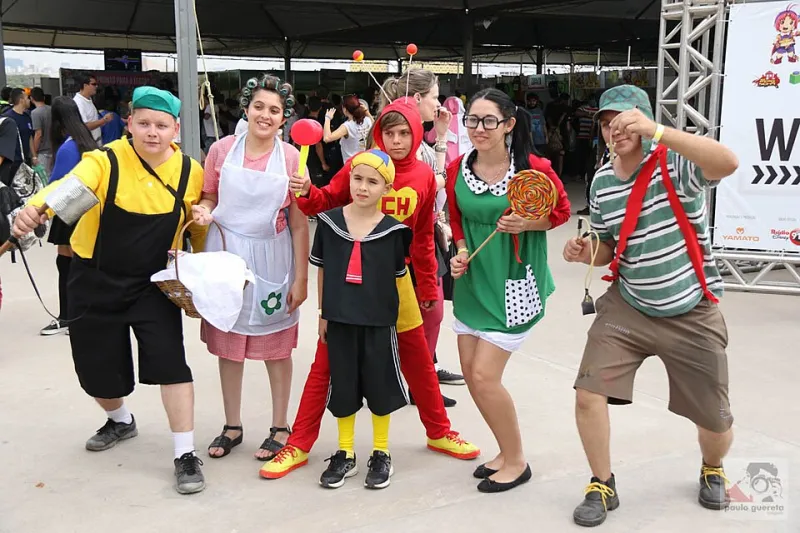
Photo: Paulo Guereta from São Paulo, CC BY 2.0, via Wikimedia Commons
There's a running joke among anime fans that goes something like this: "I don't have friends, I have a Discord server." It lands because it's funny. It sticks because it's true.
America is in the middle of a loneliness crisis that public health officials have been sounding alarms about for years. The U.S. Surgeon General issued an advisory on it in 2023. Studies consistently show that younger adults — particularly those in their twenties and thirties — report fewer close friendships than any generation before them. And yet, tucked inside the corners of the internet where people argue about whether Fullmetal Alchemist: Brotherhood or Hunter x Hunter has the better power system, something genuinely warm is happening.
Anime fandom has quietly become one of the most surprisingly effective antidotes to modern isolation.
The Character Connection That Starts It All
Before the community part kicks in, there's usually a character. A single fictional person — maybe it's Naruto Uzumaki grinding through rejection and loneliness with sheer, stubborn will, or maybe it's Violet Evergarden slowly learning what it means to feel — who lands differently than anything you've seen in Western media.
Psychologists call the attachment we form with fictional characters a parasocial relationship, and it gets a bad reputation it doesn't entirely deserve. Research from the University of Buffalo found that parasocial relationships can genuinely buffer feelings of loneliness and even reinforce a sense of personal identity. When you see yourself reflected in a character who also struggles with belonging, with grief, with not fitting in, something clicks.
Japanese storytelling has a particular gift for this. Where a lot of mainstream American entertainment tends to resolve emotional conflict quickly — wrapping it up before the credits roll — anime often sits with discomfort. It lets characters fail repeatedly. It allows sadness to just be sad for a while. Shows like A Silent Voice, Your Lie in April, and Neon Genesis Evangelion don't flinch from the messier parts of being human. That emotional honesty creates a level of viewer investment that feels less like entertainment and more like being genuinely understood.
And once you feel understood by a story, you start looking for other people who felt the same way.
From Subreddit to Real Talk
This is where the community part gets interesting. Anime fandom spaces — Reddit threads, Discord servers, Tumblr pages, TikTok comment sections, local anime clubs at community colleges — function a lot like third places. That's the sociological term for spaces outside home and work where people gather without a transaction attached. Barbershops, coffee shops, bowling alleys. Those spaces have been disappearing in American life for decades.
Fandom fills that gap in a way that's surprisingly organic. You show up for the show and you stay for the people. A thread about the ending of Attack on Titan becomes a two-hour conversation about free will and moral compromise. A cosplay meetup at a convention turns into a group of strangers who've never been in the same room before somehow already knowing each other's sense of humor.
Jordan, a 26-year-old from Columbus, Ohio, described it this way in a Reddit post that circulated widely a couple of years back: "I moved to a new city and knew nobody. I went to an anime convention alone on a Saturday because I had nothing else to do. I left with four people's phone numbers and plans for the following weekend. That doesn't happen at a bar."
That story gets retold in different forms constantly across fandom spaces, because it keeps happening.
Why This Hits Different Than Other Fan Communities
It's worth asking what makes anime fandom specifically so effective at this, compared to, say, sports fandoms or fandoms around American TV shows.
Part of it is the depth of the source material. Anime series often run for dozens or even hundreds of episodes, creating a shared reference library that's genuinely vast. The investment required to watch a full run of One Piece or Bleach creates an automatic bond with anyone else who's done it — you've both been through something.
Part of it is also the cultural framing that comes baked into a lot of anime. Concepts like nakama — a Japanese word roughly meaning companions or found family — show up constantly as central themes. Characters in anime don't just have friends; they have people they would sacrifice everything for. That framing seeps into how fans relate to each other. The community absorbs some of the values of the stories it loves.
And part of it is simply that anime fandom skews toward people who already feel a little outside the mainstream. There's a self-selection happening. The community tends to be welcoming to weirdness, to niche interests, to the people who never quite fit the standard social script. That creates a psychological safety that more conventional social spaces often lack.
It's Not a Perfect Fix — But It's Real
None of this is to say that anime fandom is some kind of cure-all. Online communities can be toxic. Gatekeeping is real. And parasocial attachment, when it becomes a substitute for human connection rather than a bridge toward it, can deepen isolation rather than ease it.
But for a lot of Americans navigating a social landscape that feels increasingly fractured, anime fandom offers something that's genuinely hard to find: a reason to show up, a shared language, and people who are actually glad you did.
There's a concept in Japanese culture called en — the idea of a fateful connection between people, a thread of chance that draws them together. Anime fans would probably say that's exactly what their favorite show gave them. Not just a good story. A way in.