Prints, Pixels, and Provenance: The Smart Collector's Playbook for Japanese Art on Your Walls
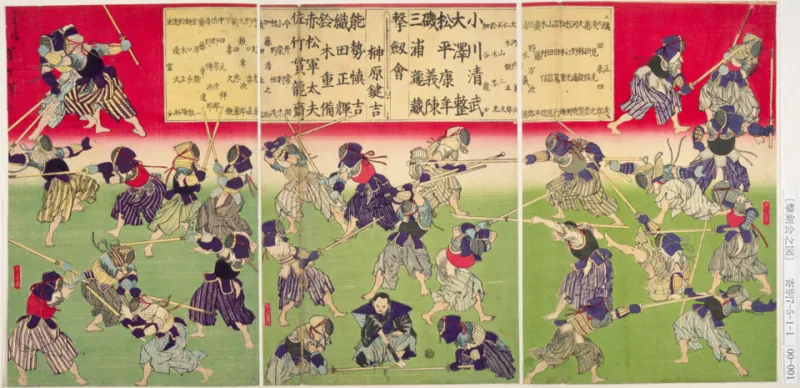
Photo: Tsukioka Yoshitoshi (月岡芳年), Public domain, via Wikimedia Commons
Let's be real: the moment you watched Spirited Away for the first time and something in your chest shifted — you were already a collector. You just didn't have the vocabulary for it yet.
Japanese art has a way of doing that. From the sweeping drama of Hokusai's Great Wave to the soft, dreamlike backgrounds of a Studio Ghibli film, there's a visual language in Japanese aesthetics that hits differently. And increasingly, Americans are moving beyond posters and phone wallpapers to actually building real collections — framed prints, original works, signed editions — displayed with intention and care.
But the market? It's a jungle. Gorgeous, fascinating, occasionally sketchy. Here's how to navigate it without getting burned.
Know What You're Actually Looking For
Before you spend a single dollar, get clear on what kind of collector you want to be. The Japanese art print world spans a wild range:
- Traditional ukiyo-e woodblocks — think Hiroshige landscapes, Kuniyoshi warriors, Utamaro portraits. Originals from the Edo period can run from a few hundred to tens of thousands of dollars depending on condition and rarity. High-quality reproductions exist too, and there's no shame in them — just know what you're buying.
- Shin-hanga and sōsaku-hanga — 20th-century woodblock styles that bridged traditional technique with modern sensibility. Artists like Kawase Hasui are having a serious moment right now.
- Contemporary Japanese illustration and anime-adjacent art — limited edition prints from artists who work in the anime aesthetic but operate as independent fine artists. This is where the market gets exciting and chaotic.
- Official licensed studio prints — works released by studios like Ghibli, Production I.G, or Gainax through official channels. These are reproducible but still hold value when properly authenticated.
Collector and graphic novelist Rachel T., based in Portland, started with a $40 Ghibli print from a convention and now owns a curated wall of shin-hanga works she's sourced directly from Japan. "I spent the first year buying whatever looked cool," she told us. "The second year I started buying intentionally. Big difference."
The Bootleg Problem Is Real — Here's How to Spot It
This part matters, especially in the anime print space. The demand for official Ghibli and Evangelion art has created a massive gray market of unauthorized prints — some so good they fool casual buyers regularly.
A few things to watch for:
Check for official licensing language. Legitimate Ghibli prints, for example, will carry Studio Ghibli's official copyright notice and often come with a certificate of authenticity or holographic seal. If a seller can't produce documentation, treat it like a red flag.
Reverse image search everything. Before buying any print described as "rare" or "limited edition" from an unknown seller, run the image through Google Lens. If it shows up on AliExpress for $8, you've got your answer.
Buy from established platforms. For anime and contemporary Japanese art, platforms like Qpop (which specializes in officially licensed Japanese pop culture art), Japan Arts (japanarts.com), and Artsy (for higher-end pieces) are far safer bets than random Etsy shops. That said, Etsy does host legitimate Japanese artists — just vet the seller's history and read reviews carefully.
For traditional ukiyo-e, auction houses like Scholten Japanese Art in New York and Floating World Gallery in Chicago are gold standards. Online, Ukiyo-e.org is an invaluable free database for cross-referencing prints.
Where to Actually Buy: A Starter List
Here are some sources that collectors consistently trust:
For Traditional Prints:
- Scholten Japanese Art (New York) — specialist dealer with deep provenance documentation
- Floating World Gallery (Chicago) — excellent for shin-hanga and sōsaku-hanga
- eBay, but only from top-rated sellers with verifiable auction history and return policies
For Contemporary and Anime-Inspired Art:
- Qpop — officially licensed Japanese pop culture prints, great for anime fans who want legitimacy
- Booth.pm — a Japanese creator marketplace where indie artists sell directly; requires some navigation but worth it
- Creema — similar to Booth, Japan-based, ships internationally, features a huge range of independent artists
- Society6 and Redbubble — fine for casual decor, but understand these are print-on-demand platforms, not limited editions
For the High-End Hunt:
- Artsy and 1stDibs list gallery-quality pieces with full provenance; prices reflect it
- Japanese auction platform Aucfan aggregates Yahoo! Japan Auctions results, useful for market research
Building a Cohesive Gallery Without Losing Your Mind (or Budget)
The best collections tell a story. They don't have to be expensive — they have to be considered.
Denver-based collector James K. built a stunning 12-piece gallery wall mixing affordable shin-hanga reproductions with two original contemporary prints he commissioned directly from artists on Instagram. Total spend: under $800 over two years. "I picked a color palette first," he explained. "Blues, grays, and warm gold. Then I only bought things that fit it, regardless of style or era. The wall feels unified even though it spans like 200 years of Japanese art history."
Some practical tips for the wall itself:
- Frame consistently. Simple black or natural wood frames let the art breathe. Matching frames across different print sizes creates visual cohesion.
- Use archival materials. UV-protective glass and acid-free matting will protect your investment, even if it's a $60 print. Sunlight is the enemy.
- Mix scales intentionally. One large anchor piece surrounded by smaller works creates a focal point without clutter.
- Leave room to grow. The best gallery walls evolve. Don't fill every inch at once.
The Takeaway
Collecting Japanese art — whether you're obsessing over Edo-period woodblocks or tracking down a signed cel from a beloved anime — is one of the most rewarding rabbit holes you can fall down. It connects you to centuries of visual storytelling, to living artists doing extraordinary work, and to a cultural aesthetic that rewards patience and attention.
Just go in with your eyes open. Know what you're buying, buy from people you trust, and let the collection grow the way the best things do — slowly, with intention, and with a little bit of joy in every piece.