Let the Season Lead: A Practical Guide to Kisetsukan — Japan's Ancient Antidote to Autumn Burnout
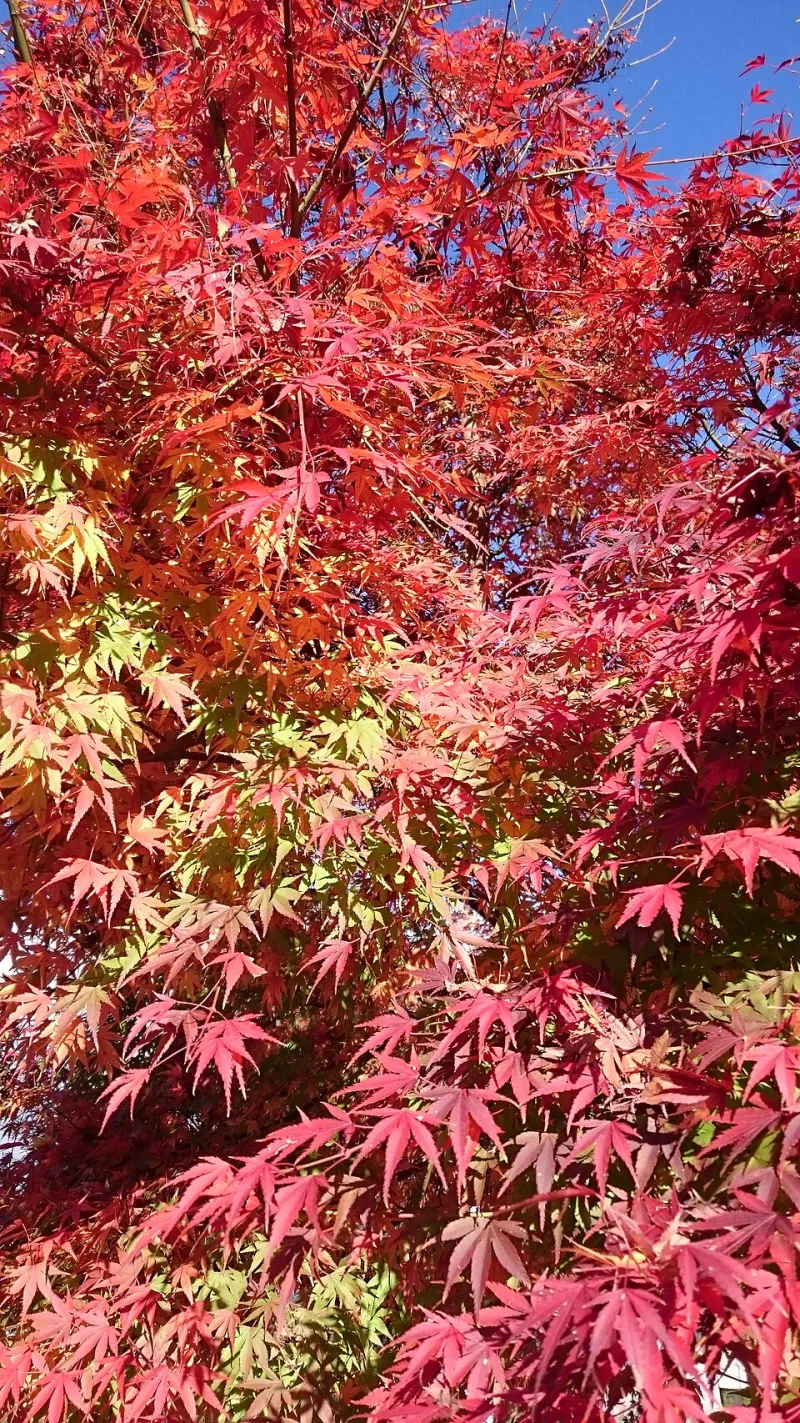
Photo: 些細な日常, CC BY-SA 4.0, via Wikimedia Commons
Every October, something interesting happens. The air shifts. The light goes golden and low. Pumpkin spice appears on every menu, leaves start dropping, and a lot of us feel this inexplicable pull toward blankets, soup, and doing approximately nothing. Then, almost immediately, we feel guilty about it.
Because the calendar says Q4. Because the inbox doesn't care about the equinox. Because American productivity culture has no concept of seasons — only deadlines.
Japan, on the other hand, has been paying close attention to the rhythms of the natural year for well over a thousand years. The concept is called kisetsukan — roughly translated as "seasonal awareness" or "seasonal feeling" — and it shapes everything from what people eat and wear to how they decorate their homes, what they say to each other in passing, and how they allow themselves to feel.
This isn't just aesthetics. It's a wellness philosophy — and it might be exactly what your autumn brain is asking for.
What Kisetsukan Actually Means
Kisetsukan goes deeper than appreciating fall foliage (though it definitely includes that). It's a whole orientation toward time — an acknowledgment that each season carries its own energy, its own appropriate pace, its own emotional texture. In traditional Japanese culture, you'd shift your wardrobe on specific calendar dates, change the decorations in your home to reflect the season, eat foods that correspond to what's naturally abundant, and even adjust your social rituals accordingly.
Classic Japanese poetry forms like haiku are built entirely around this concept — the inclusion of a kigo, or seasonal reference word, was mandatory. You weren't just writing a poem about a frog. You were writing a poem that placed the reader inside a specific moment in the turning year.
The idea is that you are not separate from the natural world. You're part of it. And when you resist that — when you eat strawberries in November and keep the AC blasting through September and ignore the fact that your body is asking to slow down — you pay a cost.
Why This Hits Different in Autumn
Autumn is the season where kisetsukan gets most interesting for Americans, because it's the season we're most confused about.
Spring wellness makes intuitive sense — everyone gets the "new year, new you" energy of longer days and warming temperatures. Summer is high-energy by default. Winter has its own cultural permission to slow down (holiday season, New Year's reset).
But fall? Fall is weirdly contested. On one hand, it's cozy-season aesthetics and apple picking and the best TV lineup of the year. On the other, it's also back-to-school panic energy, end-of-year work pressure, and the start of the holiday marathon that won't let up until January.
Kisetsukan says: the season is telling you something. Let's actually listen.
Five Ways to Practice Kisetsukan This Fall
1. Eat with the season — for real this time. Japanese seasonal eating isn't a trend, it's a default. In autumn, that means leaning into root vegetables, mushrooms, chestnuts, persimmons, and warming grains. In practical American terms: swap the salads for roasted squash, add miso to your soups, and try swapping your cold brew for a cup of hojicha (roasted green tea) in the evenings. These aren't arbitrary — they're foods that genuinely support your body as temperatures drop and your digestion shifts.
2. Change your textiles with intention. In Japan, the shift between seasonal wardrobes — koromogae — happens on specific dates and is treated as a meaningful ritual, not just a closet reorganization. This fall, instead of randomly grabbing a sweater when you get cold, try making the seasonal wardrobe swap a deliberate act. Put away the linens, bring out the wools and flannels, and notice how it changes your relationship to the season. It sounds small. It genuinely isn't.
3. Make space for mono no aware. This one's emotional. Mono no aware — "the bittersweet awareness of impermanence" — is a core Japanese aesthetic concept, and autumn is its natural home. The falling leaves aren't just pretty; they're a reminder that things pass, and that there's beauty in that passing. Sitting with that feeling rather than scrolling past it is its own kind of practice. Go for a walk specifically to watch things change. Let yourself feel a little wistful. That's not depression — that's seasonal awareness doing its job.
4. Adjust your social calendar to match the energy. Summer is for big gatherings and late nights. Autumn in Japanese culture traditionally calls for quieter, more intimate connection — a small dinner, a tea ceremony, a walk with one good friend. You don't have to fill October with events just because the social pressure is there. Kisetsukan gives you cultural permission to scale back, go deeper, and prioritize quality over quantity in your social life as the days get shorter.
5. Create a small seasonal altar or display. In Japanese homes, the tokonoma — a decorative alcove — would be updated with each season's artwork, flowers, and objects. You don't need a tokonoma. You need a corner of your apartment, a shelf, a windowsill. Put a few fall leaves there, a small gourd, a candle that smells like something autumnal. The act of curating your space to reflect the season outside is a surprisingly powerful way to feel less disconnected from natural time.
The Real Wellness Pitch Here
Here's what kisetsukan is actually offering, underneath all the aesthetics: permission to stop treating the year like a flat line of identical productivity units, and start treating it like what it actually is — a cycle with different chapters, different energies, and different needs.
American wellness culture is obsessed with optimization. More output, better habits, peak performance year-round. But that model ignores the fact that you are a biological creature living on a planet that tilts away from the sun every fall and asks you, gently but firmly, to slow down.
Japan noticed this about ten centuries ago. Kisetsukan is just the formalization of that noticing.
This autumn, try living inside the season instead of against it. Your nervous system will probably thank you.