Less Is More, and More Is Exhausting: The Japanese Design Philosophy Taking Over American Living Rooms
Photo: Anıl Öztaş, CC BY-SA 4.0, via Wikimedia Commons
Somewhere between the third throw pillow and the second gallery wall, a lot of American homeowners hit a wall of their own. Not the decorative kind — the kind where you look around at everything you've accumulated and feel, somehow, more stressed than before you started decorating.
If that sounds familiar, you're in good company. And you might already be halfway to understanding why Japanese design philosophy is having a serious cultural moment in the United States right now.
The Fast Furniture Hangover
The last decade of American home aesthetics was, to put it charitably, a lot. Instagram turned interior design into a competitive sport. Fast furniture brands made it cheap and easy to fill every corner. The "more is more" mentality — layered textures, bold patterns, maximalist shelfies — dominated feeds and, eventually, actual homes.
Then the fatigue set in. Pandemic years spent trapped inside rooms full of stuff that didn't quite feel meaningful accelerated a reckoning that was probably already coming. People started questioning not just what they owned, but why, and whether any of it was actually making them feel good.
Enter wabi-sabi.
The Japanese aesthetic concept — roughly translated as finding beauty in imperfection and impermanence — has been circling Western design conversations for years. But it's moved from a niche reference into something genuinely mainstream, showing up in everything from high-end interior design projects in Manhattan to TikTok home tours with millions of views. Search "wabi-sabi home" on any platform right now and you'll find an avalanche of content, ranging from deeply thoughtful to "I bought a beige linen pillow and called it a philosophy."
The real version, though, is worth understanding.
What These Concepts Actually Mean
Wabi-sabi is often misread as just "minimalism with imperfect pottery." It's richer than that. At its core, it's a worldview that accepts the natural cycle of growth and decay — the crack in the ceramic bowl, the weathered grain of old wood, the asymmetry of a hand-thrown vessel. Objects aren't meant to look flawless. They're meant to carry time.
For American consumers raised on the glossy promise of newness, this is genuinely countercultural. It suggests that a worn wooden table with a history is more beautiful than a pristine flat-pack replacement. That patina is a feature, not a flaw.
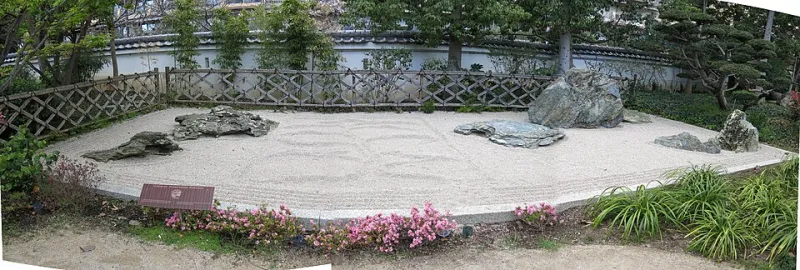
Then there's ma — the Japanese concept of negative space, or meaningful emptiness. In architecture and interior design, ma is the deliberate use of what's not there. The pause between objects. The breathing room that gives each element weight and presence. Western design instincts tend to fill space; Japanese design philosophy asks what happens when you don't.
Together, these ideas push back against the anxiety-driven accumulation that defines a lot of American consumer culture. They suggest that a room with fewer, more intentional objects can feel more alive than one that's fully loaded.
TikTok as an Unlikely Messenger
It might seem strange that a platform built on rapid-fire content consumption is helping spread a philosophy about slowing down. But TikTok's visual format — especially in the "home tour" and "aesthetic" corners of the app — has been surprisingly effective at communicating what these spaces actually feel like.
Creators like those in the #japandi (a portmanteau of Japanese and Scandinavian design) and #wabisabi communities have accumulated hundreds of millions of combined views by simply showing their homes: the uncluttered surfaces, the natural materials, the single carefully chosen object on an otherwise bare shelf. The response in comments is almost always some version of "this makes me feel calm" or "I want to live here."
That reaction isn't accidental. Research on environmental psychology has consistently shown that cluttered spaces elevate cortisol levels — the stress hormone. Spaces that offer visual rest, natural materials, and clear sightlines tend to have measurable calming effects. Japanese design principles, developed over centuries with this kind of attunement to human psychology, deliver that almost by default.
How Affluent Americans Are Actually Adopting It
At the higher end of the market, interior designers working with clients in cities like Los Angeles, Chicago, and New York are reporting a significant shift in what people are asking for. Gone are requests for statement walls and curated maximalism. What clients want now, according to designers active in these markets, is rooms that feel intentional, restrained, and — crucially — easy to be in.
This translates practically into a few consistent choices: natural materials like untreated wood, stone, and linen over synthetic surfaces; a muted, earth-toned palette that prioritizes warmth over drama; furniture with clean lines and honest construction; and a strict editorial eye about what actually earns its place in a room.
The investment piece is significant here. Wabi-sabi aesthetics, done properly, tend to favor fewer, higher-quality objects over many cheaper ones. A single handmade ceramic piece, a solid wood table built to last decades, textiles with natural dye and real texture — these aren't fast-furniture decisions. They're a different relationship with ownership entirely.
Making the Shift Without Starting Over
You don't need to gut your apartment to start living this way. The philosophy is more about intention than execution.
Start with subtraction rather than addition. Before you buy anything new, spend a week removing things — objects that don't have a clear reason to be where they are, duplicates, things you keep only out of inertia. Notice how the space feels lighter.
Bring in one natural element. A piece of driftwood, a stone, a plant that's allowed to grow a little wild. Something that carries the texture of the actual world rather than a warehouse.
Leave some surfaces empty. This is the hardest one for most people. A bare counter, a clear shelf — resist the urge to fill it. Let the space breathe.
And when you do bring something new in, ask whether it's something you'd want to live with for twenty years. Not because you have to keep it that long, but because that question tends to filter out the impulse buys and leave only the things that actually mean something.
Wabi-sabi isn't a trend in the way that gallery walls and shiplap were trends. It's closer to a correction — a return to a way of living with objects that prioritizes meaning over volume, and presence over performance. American homes are ready for it. Maybe they've been ready for a while.