Cracked Open and Golden: How Kintsugi Rewrites the Story of Your Worst Setback
There's a very American instinct that kicks in after something falls apart. Whether it's a job loss, a relationship ending, a health scare, or a creative project that belly-flopped — we tend to reach for the concealer. We want to patch things up so seamlessly that nobody notices anything happened. We want to look like we were never broken in the first place.
Japan has a different idea about that. And honestly? It's kind of a relief.
What Kintsugi Actually Is (And Isn't)
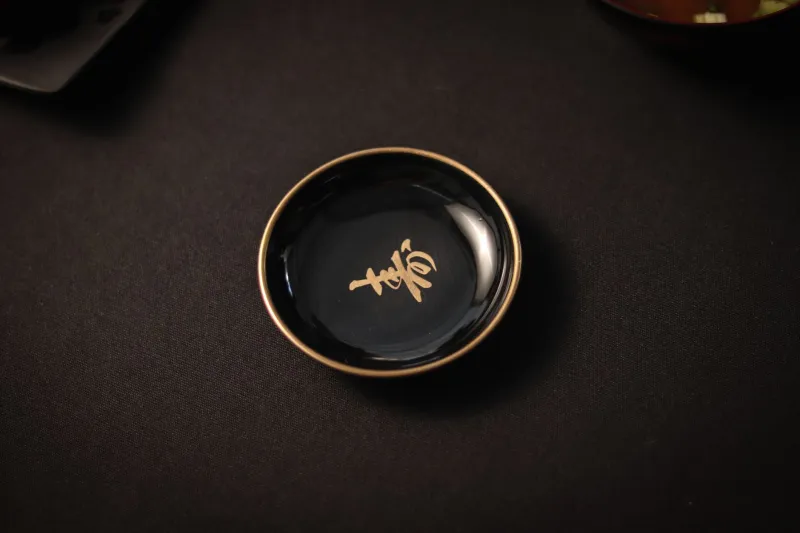
Kintsugi — roughly translated as "golden joinery" — is a Japanese pottery repair method that dates back to the 15th century. The story goes that a shogun sent a cracked tea bowl to China for repairs, got it back held together with ugly metal staples, and was so disappointed that Japanese craftsmen developed a more beautiful alternative: filling the cracks with lacquer mixed with powdered gold, silver, or platinum.
The result isn't a disguised repair. It's the opposite. The gold seams glow. They trace every fracture like a map. The bowl becomes more visually interesting after the break than it ever was before.
Here's the part that gets lost in the Instagram-caption version of this philosophy: kintsugi isn't about toxic positivity. It's not a bumper sticker that says "everything happens for a reason." It's a craft tradition rooted in mottainai — the Japanese concept of not wasting what has value — and in the broader aesthetic of wabi-sabi, which finds beauty in impermanence and imperfection. The point isn't that breaking is fun. The point is that the broken object still has worth, and the repair is honest about what happened.
That distinction matters a lot when you're trying to apply it to your actual life.
The Problem With the "Bounce Back" Myth
American comeback culture has a resilience obsession, and it's exhausting. We celebrate the entrepreneur who "failed fast" and bounced back like nothing happened. We applaud the athlete who returned from injury "stronger than ever" without acknowledging the months of pain. We scroll through transformation stories where the before-photo is the villain and the after-photo is the hero, as if the messy middle was just a loading screen.
What that framing quietly demands is erasure. It asks you to perform wholeness before you've actually found it. And when you can't quite pull off the seamless recovery — when the cracks are still visible, when you're still a little tender, when the old version of you is clearly gone but the new one hasn't fully arrived — it can feel like failure on top of failure.
Kintsugi doesn't ask you to erase anything. It asks you to stop being embarrassed about the seams.
Showing Up With the Gold Visible
So what does this actually look like outside of a pottery studio?
It looks like the person who got laid off and, instead of scrambling to make their resume look like the gap never happened, talks openly in interviews about what that period taught them about what they actually want from work. The crack is visible. The gold is the clarity.
It looks like the writer who spent three years on a novel that didn't sell, and starts the next project not by pretending the first one didn't happen, but by carrying forward every hard-won lesson about their own voice. The abandoned manuscript isn't a shameful secret — it's load-bearing structure.
It looks like someone coming out of a difficult divorce who doesn't rush to reconstruct the same life they had before, but instead lets the rebuilt version reflect who they actually are now, not who they were when the relationship started. Different shape. Stronger joints.
None of these people are performing suffering. None of them are wallowing. They're just refusing to hide the repair work — and in doing so, they're building something more durable than the original.
The Craft of an Honest Comeback
If you want to bring a kintsugi mindset into your own reinvention, there are a few practical places to start.
Name what broke. This sounds obvious, but most of us skip it. We move into fix-it mode so fast that we never actually acknowledge what the loss was. A job isn't just a paycheck — it might have been your identity, your social world, your sense of competence. A relationship isn't just a relationship — it might have been your vision of the future. Get specific about what cracked. You can't fill it with gold if you won't look at where the break actually is.
Resist the urge to match the original. One of the beautiful things about kintsugi is that the repaired bowl doesn't try to look like the unbroken version. It looks like itself, now. When you're rebuilding after a setback, there's often pressure — internal and external — to reconstitute exactly what you had before. Sometimes that's right. But often, the break happened partly because something about the original wasn't working. The gold seams can go in new directions.
Let the timeline be the timeline. Kintsugi is a slow process. The lacquer has to cure. Rushing it produces weak joints. There's no American productivity hack that makes grief, recovery, or reinvention move faster than it moves. The gold doesn't set on your schedule.
Tell the honest story. Not the sanitized comeback narrative, not the pity spiral — the actual story, with its awkward middle and its unresolved edges. People connect with the gold seams. They're not connecting with the illusion of an unbroken bowl.
A Different Kind of Strong
There's a concept in materials science called work hardening — the idea that certain metals actually become stronger at the points where they've been stressed and reformed. Kintsugi is the visual version of that. The repaired crack, done right, is often the strongest part of the bowl.
That's not a metaphor designed to make you feel better about hard things. It's a structural reality. The places where you had to consciously rebuild — where you couldn't just coast on the original shape — are often the places where you're most intentional, most aware, most genuinely yourself.
America loves a comeback story. But it tends to love the version where the cracks disappear. Kintsugi offers something rarer and more interesting: the version where the cracks become the story, traced in gold, right out in the open.
That's not a smaller comeback. That's the real one.