Tea, Silence, and the Radical Act of Wasting Time Well
Somewhere between your third podcast episode of the morning and the productivity app reminding you to log your "deep work" sessions, you probably forgot what it felt like to just... exist for a minute. No output. No optimization. No hustle-adjacent journaling about your hustle.
American culture has a complicated, almost aggressive relationship with spare time. We monetize hobbies. We side-hustle weekends. We scroll through self-improvement content while waiting for coffee to brew — which, by the way, takes about ninety seconds. We cannot even let ninety seconds breathe.
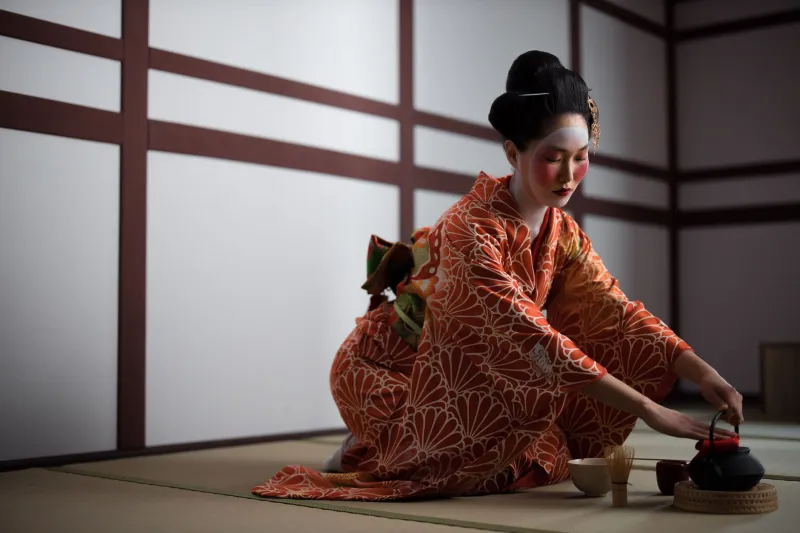
Japanese tea ceremony masters have been quietly laughing at us for roughly five hundred years.
What Yokan Actually Means (And Why It's Not What You Think)
The concept most people reach for when discussing Japanese slowness is ma — that beautiful negative space between sounds, objects, moments. But there's another idea worth sitting with: yokan, which loosely translates to a kind of spacious, unhurried time. Not empty time. Not lazy time. Spacious time — the kind that has room to breathe, room to wander, room to become something you didn't plan.
This isn't the same as vegging out on the couch doom-scrolling TikTok. Yokan carries intentionality without agenda. Think of it as the difference between a cluttered room and a minimalist one. Both have furniture. One has space to actually live in.
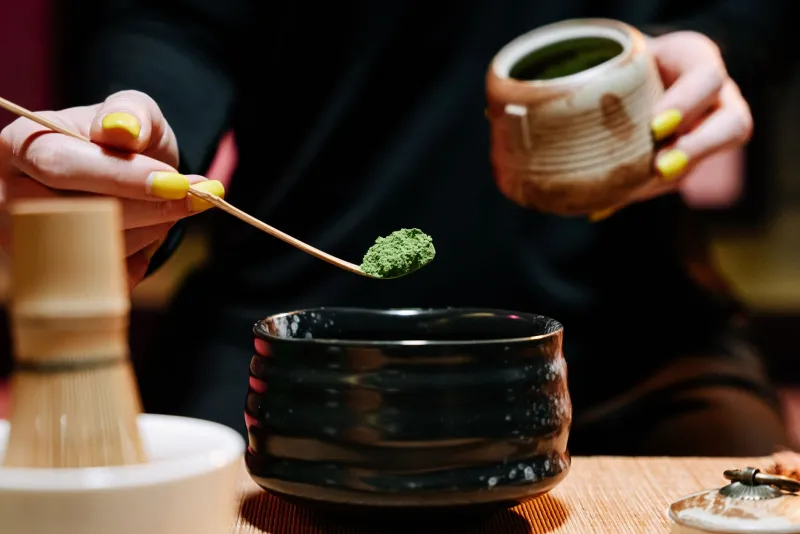
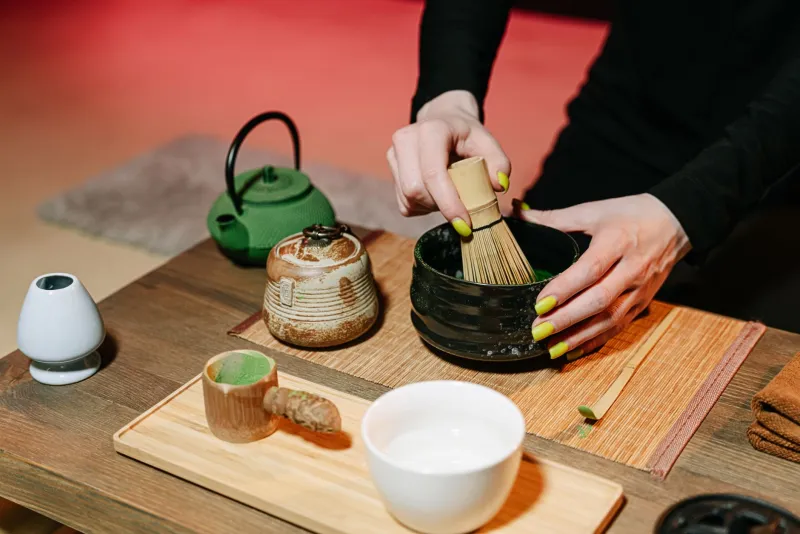
In the context of chado — the Way of Tea — this spaciousness isn't incidental. It's the whole point. A traditional tea ceremony can last up to four hours. The host prepares the space days in advance. Guests walk through a garden path specifically designed to slow their pace and shift their mental state before they even enter the tearoom. The ritual isn't efficient. It's not supposed to be. The inefficiency is the medicine.
The Silicon Valley Secret Nobody's Putting on a LinkedIn Post
Here's something quietly ironic: some of the most innovative minds in tech have been practicing versions of this for years — they just dress it up in language that sounds more defensible at a board meeting.
Bill Gates famously takes "Think Weeks" — solo retreats where he reads, reflects, and produces nothing deliverable. Lin-Manuel Miranda has talked openly about the fact that Hamilton came to him on vacation, when he picked up a biography on a whim and had zero scheduled obligations. Shonda Rhimes wrote an entire book about learning to say yes to unstructured experience after years of pure output.
None of them called it yokan. But the architecture is the same: deliberate, protected, unoptimized time that the conscious mind can't immediately exploit.
Neuroscience is catching up to what tea masters already knew. The brain's default mode network — the system that activates when you're not focused on a task — is where a significant chunk of creative synthesis happens. When you're always task-switching, always consuming, always producing, you're essentially keeping that network offline. You're blocking your own signal.
Boredom, real boredom, is the loading screen before insight.
Why We're So Bad at This
Let's be honest with ourselves for a second. The reason Americans struggle with unstructured time isn't purely cultural conditioning — though that's real. It's also deeply emotional. Stillness makes things audible that noise keeps quiet. Grief. Anxiety. The question you've been avoiding about your job, your relationship, your direction.
Productivity culture offers a very convenient escape from all of that. If you're always optimizing, you never have to sit with the uncomfortable stuff. Busy is a fantastic emotional avoidance strategy, and it even comes with social rewards. People admire busy. Nobody puts "I spent Sunday afternoon staring at the ceiling productively" on Instagram.
But here's what the tea ceremony understood centuries before therapy made it mainstream: you cannot integrate what you refuse to feel. The spacious time isn't just where creativity lives. It's where emotional processing happens. It's where you figure out what you actually want, separate from what you've been told to want.
That's not laziness. That's maintenance.
How to Actually Practice This Without Booking a Retreat
You don't need to fly to Kyoto. You don't need a tearoom or a garden path or a four-hour Saturday. You need to start smaller and meaner than that, because your brain is going to fight you on this.
Start with ten minutes of nothing. Not meditation with an app. Not stretching. Nothing. Sit somewhere you like. Don't bring your phone. Let your mind wander wherever it wants to go. Do this like a discipline, not a treat — the same time every day, the way a tea master would approach the ritual preparation of the space.
Make one daily task deliberately slow. Coffee is perfect for this. Make it without music, without a podcast, without a screen. Pay attention to the smell, the sound of the water, the weight of the mug. This isn't mindfulness as a performance. It's just slowing one gear in the machine.
Protect one chunk of weekend time from productivity. Not rest as recovery so you can work better on Monday — rest as an end in itself. Walk somewhere without a destination. Read something with zero practical application. Sit in a park. Let the afternoon become something unplanned.
Notice the discomfort and don't fix it. The urge to grab your phone, to start a task, to be useful — that's the signal you're in the right territory. Don't fight it aggressively. Just notice it, the way you'd notice a cloud, and let it pass.
The Competitive Advantage Nobody Talks About
Here's the pitch for the productivity-brained among us, because sometimes you need to sell stillness in the language of the culture you're living in: people who practice yokan-style spacious time consistently report stronger creative output, better emotional regulation, and clearer decision-making over time. Not because doing nothing is magic, but because the brain requires unstructured processing time the same way a muscle requires recovery.
You can keep grinding through that recovery window if you want. Plenty of people do. But you'll notice the diminishing returns eventually. The ideas get thinner. The enthusiasm gets harder to manufacture. The work starts feeling like a performance of productivity rather than actual creation.
The tea masters weren't being poetic when they built hours of spacious ceremony around a single bowl of tea. They were being precise. They understood that the quality of what you make is inseparable from the quality of the space you give your mind to wander.
Your most interesting idea isn't hiding in another productivity system. It's waiting in the quiet you keep refusing to sit inside.
Maybe start with ten minutes. Maybe just let the coffee brew without filling the silence.
The tea can wait. That's kind of the whole point.